Research
We are a multidisciplinary team performing advanced magnetic resonance imaging research. We develop and translate novel technical innovations into noninvasive imaging methods that improve the care of patients with diseases in the liver and abdomen, with a strong focus on quantitative methods.
Research Areas
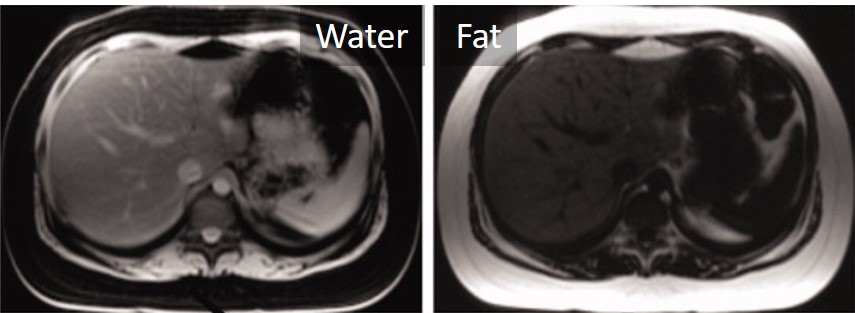
Liver Biomarker Quantification
We develop and validate quantitative biomarkers of liver disease including iron, fat, and fibrosis using non-invasive MR imaging to improve the care of patients with diseases in the liver and abdomen.
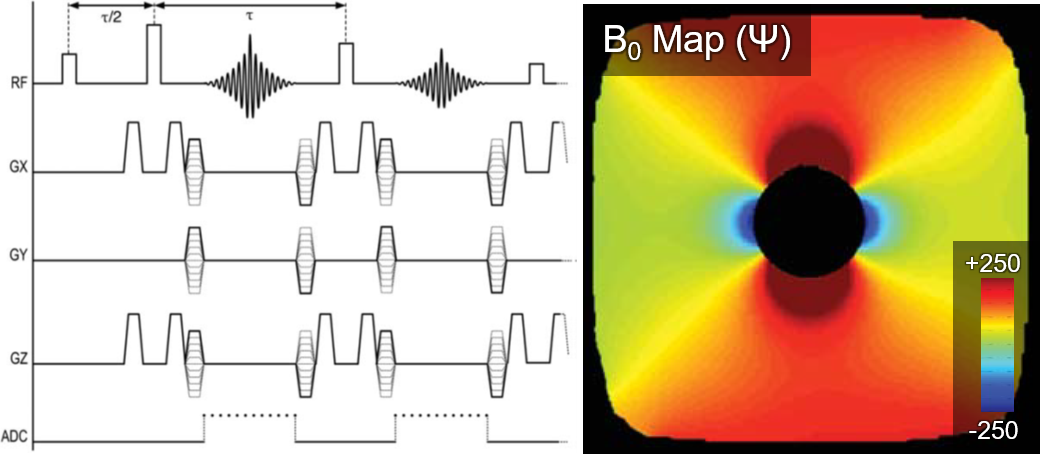
Improved Abdominal MR Imaging
We develop new methods aimed at reducing scan time, improving image quality, and obtaining new information not previously available from conventional MR methods. In many cases, we work with GE Healthcare, a research partner with UW – Madison.
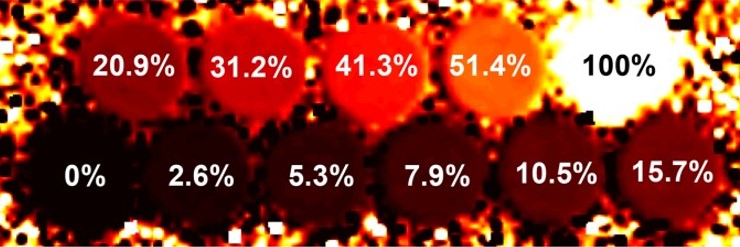
MR Phantoms
We develop MR phantoms that simulate the simultaneous presence of water, fat, and iron in the liver. These phantoms serve as an important standard for validating novel quantification MR methods, as well as quality assurance in clinical scanners.
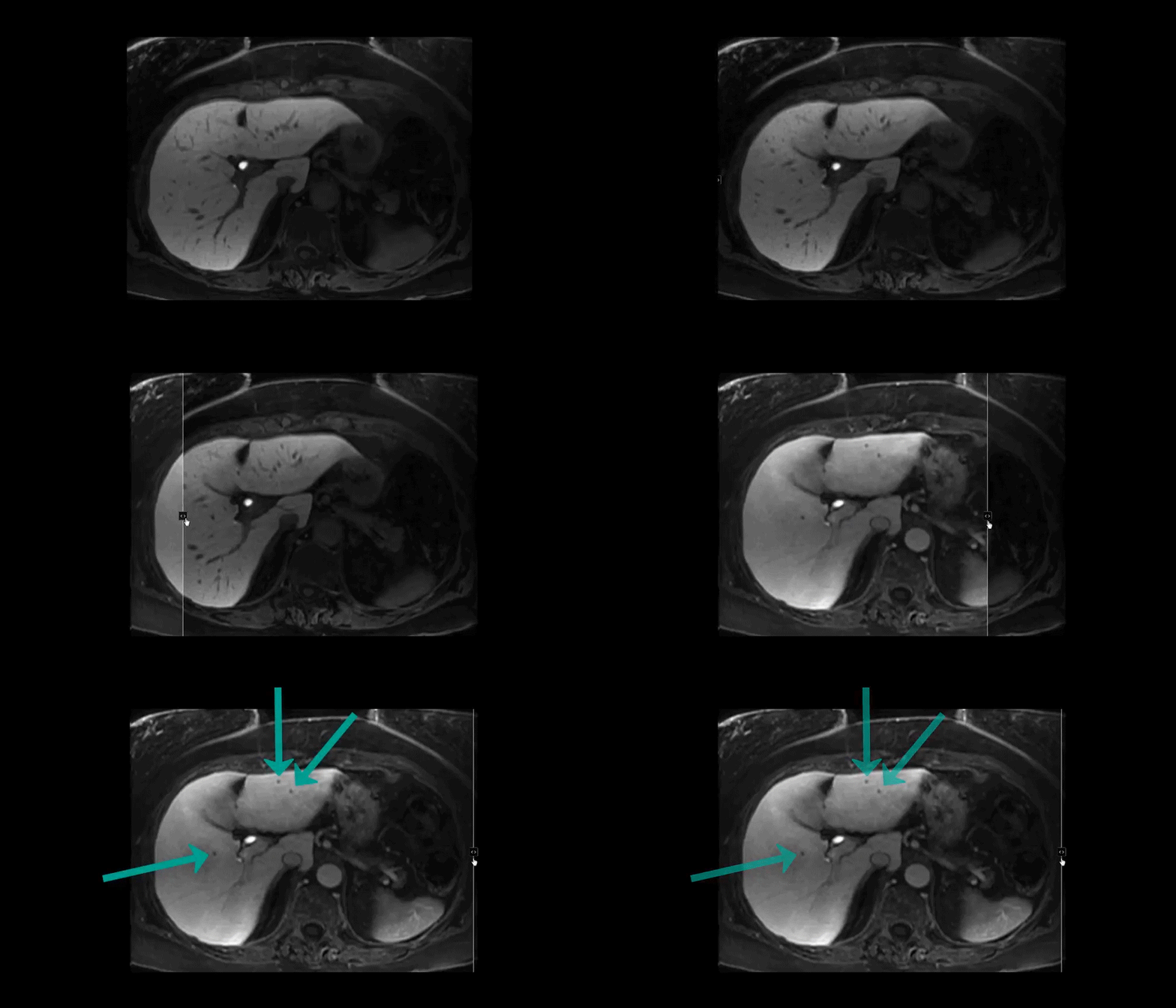
Liver Contrast Agents
The LIRP develops new methods and optimizing strategies to fully exploit the ability of hepatobiliary phase imaging to diagnose liver disease. We validate agent performance in combination with optimized imaging approaches using clinical studies.